
Credit Card Rewards: A Simple Guide to Getting More Value From Your Spending

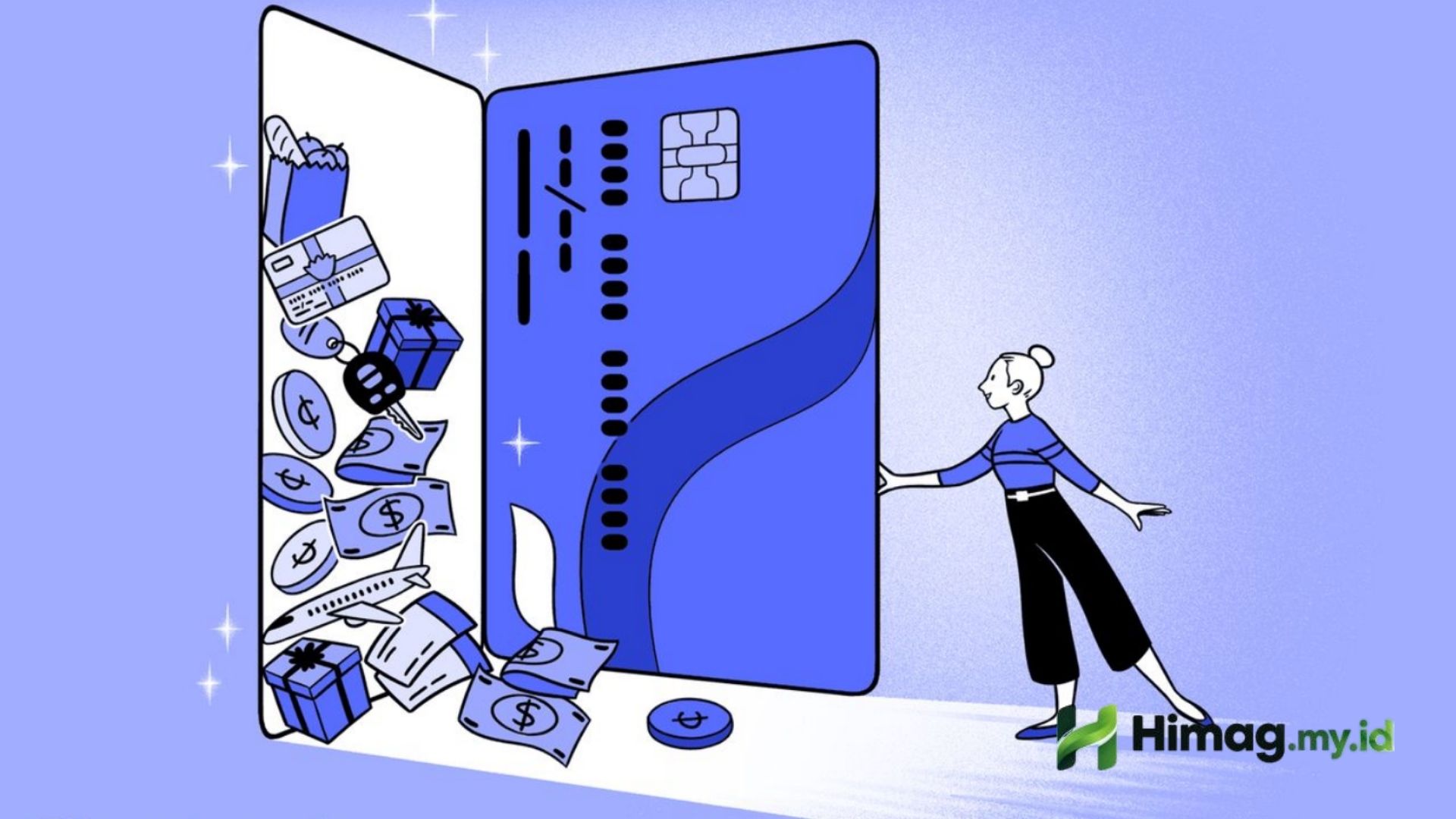
King Himang – Credit card rewards can be a useful way to get additional value from purchases you are already planning to make. Depending on the card, rewards may come in the form of cash back, points, travel miles, discounts, or other benefits.
However, credit card rewards are not free money. They usually work best when you understand the rules, compare the benefits with the costs, and pay your balance responsibly.
In this guide, we’ll take a simple look at how credit card rewards work, the most common types of rewards, and some practical ways to use them without letting rewards encourage unnecessary spending.
What Are Credit Card Rewards?
Credit card rewards are benefits provided by a card issuer when you use a credit card for eligible purchases.
For example, a card might offer 1% cash back on general purchases. If you spend $500 on eligible purchases, you could receive $5 in cash back.
Other cards may use a points-based system. Instead of receiving cash directly, you earn points that can potentially be redeemed for travel, merchandise, statement credits, gift cards, or other available options.
The exact value of rewards depends on the card’s terms and how you redeem them.
Common Types of Credit Card Rewards
Not all rewards cards work the same way. Most fall into a few common categories.
1. Cash Back
Cash back is one of the easiest reward systems to understand.
A card may give you a percentage of eligible purchases back as a reward. Some cards offer a flat rate on most purchases, while others provide higher rates for selected categories.
For example:
- 1% on general purchases
- 3% on selected spending categories
- Special cash back promotions during certain periods
Cash back can often be redeemed as a statement credit, bank deposit, or another option depending on the card.
2. Credit Card Points
Points-based cards allow you to earn points when you make eligible purchases.
Some cards provide a fixed number of points per dollar spent, while others offer bonus points for specific categories.
Points may be used for things such as:
- Travel bookings
- Gift cards
- Statement credits
- Merchandise
- Experiences
Before collecting points, check how they can be redeemed and whether different redemption methods have different values.
3. Travel Miles
Travel rewards are designed for people who frequently travel.
Depending on the program, you may earn miles or travel points from eligible purchases and later use them for flights, hotel stays, or other travel-related benefits.
Some travel cards may also include additional features such as travel insurance, airport-related benefits, or no foreign transaction fees. These features vary by card, so reading the terms is important.
4. Store and Brand Rewards
Some credit cards are connected to particular retailers, airlines, hotels, or other brands.
These cards may provide additional rewards when you purchase from the associated brand.
They can be useful for customers who already spend regularly with that company. However, it is worth considering whether the rewards justify any annual fee or restrictions.
How Do Credit Card Rewards Work?
The basic process is relatively simple.
First, you use your credit card to make an eligible purchase. The card issuer then calculates the rewards according to the applicable earning rate.
For example, imagine a card offers 2 points for every $1 spent. If you make $300 in eligible purchases, you could earn:
$300 × 2 points = 600 points
The actual calculation can be more complicated when purchases fall into different reward categories, promotional offers, spending caps, or excluded transactions.
That’s why it’s always a good idea to read the current rewards terms before assuming how many rewards you will receive.
Pay Attention to Bonus Categories
Some rewards cards offer higher earning rates for specific types of purchases.
For instance, a card might provide a higher reward rate for groceries, restaurants, transportation, or online purchases.
This can make a significant difference if those categories naturally match your regular spending.
The key word is naturally.
You generally don’t want to purchase something you don’t need simply because it offers extra rewards. Spending an unnecessary $100 to earn a few dollars in rewards doesn’t create a financial benefit.
Understand Welcome Bonuses
Some credit cards offer introductory or welcome bonuses to new cardholders.
A typical offer might require you to spend a certain amount within a specified period before receiving the bonus.
For example, an offer could require $2,000 in eligible purchases within the first few months.
Before pursuing a welcome bonus, consider whether the required spending fits comfortably within your normal budget.
A large bonus may look attractive, but carrying a credit card balance and paying interest just to obtain it can significantly reduce or eliminate the value of the reward.
Credit Card Rewards and Interest
This is one of the most important points to understand.
Rewards are generally valuable only when you use your credit card responsibly.
Suppose you earn $20 worth of rewards but pay $50 in interest because you carry a balance. In that situation, the interest cost is much greater than the reward.
For many people, the simplest approach is to use a rewards card for planned purchases and pay the statement balance in full and on time whenever possible.
That way, the rewards remain an additional benefit rather than a reason to spend beyond your budget.
Check for Annual Fees
Some rewards cards charge an annual fee.
An annual fee isn’t automatically bad, but you should compare the fee with the value you realistically expect to receive.
For example, suppose a card has a $95 annual fee. If you expect to receive around $150 in useful rewards and benefits during the year, the card may provide positive value based on your personal circumstances.
But if you only expect to receive $50 in rewards, the annual fee could outweigh the benefits.
The important thing is to calculate based on your actual spending rather than the maximum rewards advertised by the issuer.
Watch for Spending Limits
Bonus rewards may sometimes have spending limits.
For example, a card could offer an elevated reward rate on a category only up to a certain amount of spending during a specific period.
After reaching that limit, additional purchases may earn rewards at a lower rate.
If you are comparing cards, check:
- The reward rate
- The spending limit
- The applicable period
- Eligible purchases
- What happens after reaching the limit
These details can make a difference when estimating the real value of a rewards program.
How to Choose a Credit Card Rewards Program
There isn’t one rewards program that works perfectly for everyone.
Instead, consider how you normally spend money.
Look at Your Regular Expenses
Start by reviewing your typical monthly expenses.
You might spend more on:
- Groceries
- Dining
- Transportation
- Online shopping
- Travel
- Utilities
- General purchases
Then look for a rewards structure that matches your existing spending habits.
Compare the Fees
Don’t focus only on the reward percentage.
Also check:
- Annual fees
- Foreign transaction fees
- Balance transfer fees
- Cash advance fees
- Late payment fees
- Other applicable charges
A higher reward rate does not necessarily mean a better overall financial outcome if the card has costs that don’t fit your situation.
Read the Redemption Rules
Earning rewards is only part of the process.
You also need to know how you can use them.
Check whether rewards expire, whether there is a minimum redemption amount, and whether certain redemption methods provide different values.
A program that looks attractive while earning points may work differently when you actually redeem them.
Simple Ways to Maximize Credit Card Rewards
You don’t necessarily need complicated strategies to get more value from a rewards card.
Use the Right Card for Existing Spending
If you already use a credit card for certain purchases, choosing a card with useful rewards for those categories may increase the value you receive.
The goal should be to optimize spending you already planned to make.
Track Your Rewards
Keep an eye on your rewards balance and transactions.
This can help you identify missing rewards, understand your spending patterns, and avoid accidentally spending more than intended.
Use Automatic Payments Carefully
Automatic payments can help reduce the risk of forgetting a payment.
However, make sure your linked bank account has enough funds and that you understand whether the payment is set to cover the minimum amount, a fixed amount, or the full statement balance.
Don’t Chase Rewards
One of the easiest mistakes is spending more just to earn rewards.
If you spend $500 on something you don’t need to receive a $5 reward, you’re still $495 behind.
Rewards should complement a sensible spending plan, not replace one.
Are Credit Card Rewards Worth It?
Credit card rewards can be worthwhile for consumers who understand the terms and use their cards responsibly.
The value depends on several factors, including your spending habits, the card’s fees, the reward structure, and how you redeem the rewards.
For someone who regularly pays their balance in full and already spends in bonus categories, rewards can provide useful savings or benefits.
For someone who frequently carries a balance and pays interest, the cost of borrowing may be much more significant than the rewards earned.
Frequently Asked Questions
Do credit card rewards expire?
Some rewards programs may have expiration rules, while others may not. The rules vary by issuer and program, so check the current terms associated with your card.
Can I earn rewards on every purchase?
Not necessarily. Certain transactions may be excluded from earning rewards, and some bonus categories may have specific conditions or spending limits.
Is cash back better than points?
It depends on how you use the card. Cash back is generally straightforward, while points may offer different redemption options. Compare the actual value you can receive based on your spending and redemption habits.
Should I spend more to earn more rewards?
Generally, rewards should not be a reason to make unnecessary purchases. A reward is most useful when it comes from spending that already fits within your budget.
Can credit card rewards save money?
They can reduce the effective cost of eligible purchases when used responsibly. However, rewards should be considered alongside interest charges, fees, and other card costs.
Final Thoughts
Credit card rewards can be a practical benefit when they fit naturally into your financial habits.
The best approach is usually simple: understand how the rewards work, compare the fees, pay attention to the redemption rules, and avoid spending more than you normally would just to collect points or cash back.
Instead of asking which rewards program offers the biggest headline number, consider a more useful question: Does this rewards program provide meaningful value for the way I already spend and manage my credit?
Taking that approach can help you enjoy the benefits of credit card rewards while keeping your everyday spending under control.