

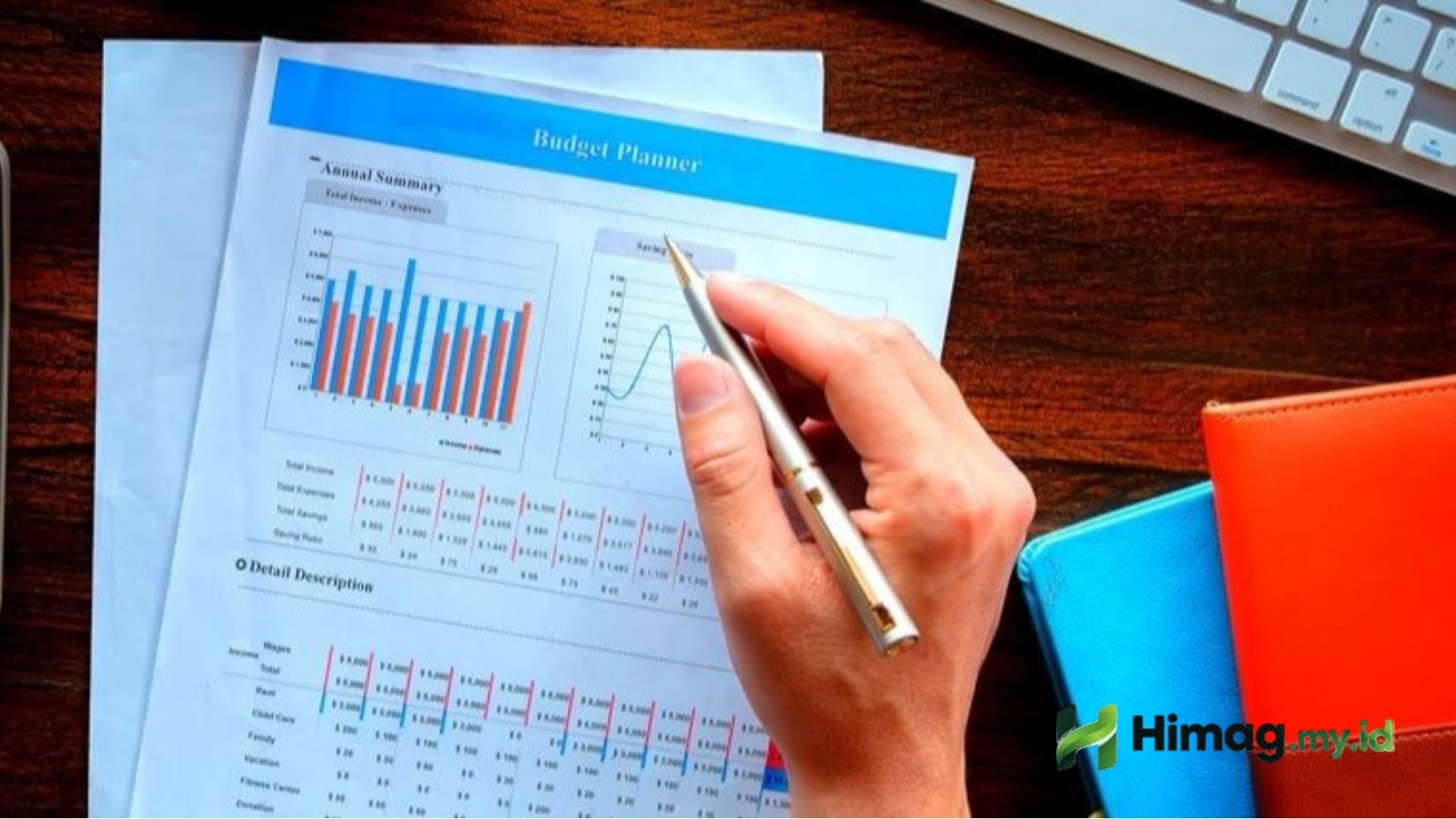
King.Himag – Managing personal finances does not have to be complicated. You do not need a large spreadsheet, complicated formulas, or a perfect financial plan to start managing your money better.
A personal budget can be as simple as knowing how much you earn, understanding your regular expenses, and deciding where the rest of your money should go.
The challenge is usually not creating a budget. It is creating one that actually fits your lifestyle.
A budget that looks perfect on paper but does not match your real spending habits can be difficult to maintain. A practical personal budget should give you structure while still allowing some flexibility.
This guide explains how to create a personal budget from the ground up and turn it into a habit you can maintain.
What Is a Personal Budget?
A personal budget is a plan for managing your income and expenses over a specific period.
Most people create a monthly budget because many bills and income payments follow a monthly schedule.
A basic personal budget answers three important questions:
- How much money do I have coming in?
- How much money do I need to spend?
- What should I do with the money that remains?
Your budget can include everyday expenses, savings, debt payments, financial goals, and discretionary spending.
The purpose is not to prevent you from spending money. Instead, it helps you make decisions based on your priorities rather than simply reacting to expenses as they appear.
Why Is Personal Budgeting Important?
Without a budget, it can be difficult to understand your overall financial situation.
You may know your salary or monthly income, but that does not necessarily tell you how much money you can comfortably spend.
A personal budget can help you:
- Understand your spending habits
- Prepare for regular bills
- Reduce unnecessary expenses
- Build savings
- Plan for large purchases
- Manage debt payments
- Prepare for unexpected costs
- Set realistic financial goals
It can also make financial decisions feel less uncertain because you have a clearer picture of your available money.
Step 1: Calculate Your Monthly Income
Start by determining how much money you actually have available each month.
If you receive a regular salary, this may be relatively straightforward.
If you earn money from multiple sources or have an irregular income, budgeting may require a little more planning.
Possible income sources include:
- Employment income
- Freelance work
- Business income
- Side jobs
- Rental income
- Other recurring income
For irregular income, consider using a conservative estimate based on your previous earnings.
It is generally safer to create your basic spending plan around income you reasonably expect rather than assuming that every month will be your highest-earning month.
Step 2: List Your Essential Expenses
Next, identify the expenses you need to cover.
These are costs that are generally necessary for your household and daily life.
Examples include:
- Housing
- Food
- Utilities
- Transportation
- Insurance
- Essential healthcare costs
- Minimum debt payments
These expenses should usually be considered before discretionary purchases.
Knowing the total cost of your essentials gives you a better idea of how much income remains for savings, debt reduction, and optional spending.
Step 3: Identify Your Flexible Expenses
After listing your essential expenses, look at costs that can change from month to month.
These might include:
- Dining out
- Entertainment
- Shopping
- Hobbies
- Travel
- Subscriptions
- Personal care
- Recreation
Flexible expenses are often the easiest categories to adjust when your budget becomes tight.
However, that does not mean you need to remove them completely.
A realistic personal budget should usually leave some room for enjoyment.
Step 4: Track Your Current Spending
Before deciding how much you should spend in each category, find out how much you actually spend.
Review your recent bank transactions, credit card statements, receipts, and other payment records.
You might notice patterns that are difficult to see during everyday life.
For example, spending $8 on a coffee several times a week may not feel significant at the time. When viewed over an entire month, however, the total may be more noticeable.
Tracking your spending gives you real information to work with.
It also prevents you from creating a budget based entirely on guesses.
Step 5: Set Spending Limits
Once you understand your current spending, set reasonable limits for each category.
Your limits should reflect both your financial situation and your goals.
For example, you could create a simple plan like this:
| Category | Monthly Budget |
|---|---|
| Housing | $1,000 |
| Food | $450 |
| Transportation | $250 |
| Utilities | $300 |
| Debt Payments | $300 |
| Savings | $500 |
| Entertainment | $200 |
| Personal Expenses | $250 |
| Other | $250 |
These numbers are only an illustration.
There is no universal budget that works for everyone. Housing costs, income levels, family size, location, debt, and personal priorities can all affect the appropriate allocation.
Step 6: Decide What to Save
Savings should be an intentional part of your personal budget.
Instead of waiting to see how much money remains at the end of the month, consider setting a savings target in advance.
You might save for:
- An emergency fund
- A future purchase
- Education
- Travel
- Home improvements
- Retirement
- Other long-term goals
The amount you save will depend on your circumstances.
If your budget is currently tight, starting with a smaller amount can be more realistic than setting an ambitious target that you cannot maintain.
Consistency matters.
Step 7: Build an Emergency Fund
An emergency fund is money set aside for unexpected financial needs.
Unexpected expenses can include vehicle repairs, home repairs, urgent travel, or a temporary reduction in income.
Without savings, these situations may require you to rely on credit or other forms of borrowing.
Start with an achievable target and gradually build your emergency savings.
As your financial situation improves, you can consider increasing the amount you keep available for unexpected expenses.
Keep in mind that the appropriate emergency fund size can vary depending on your income stability, household expenses, dependents, and other circumstances.
Step 8: Include Debt in Your Budget
If you have debt, make sure the required payments are included in your monthly plan.
List each debt along with its required payment, interest rate, and remaining balance if you have that information available.
This can help you understand how much of your monthly income is already committed.
If you want to pay debt faster, you can create an additional category for extra payments.
However, make sure your overall budget still covers essential living expenses and maintains an appropriate cash reserve for unexpected costs.
Step 9: Plan for Large Purchases
Large purchases can disrupt your budget if you do not prepare for them.
Instead of waiting until you need something expensive, consider creating a dedicated savings category.
For example, if you expect to spend $1,200 on a new laptop in one year, setting aside $100 per month would give you a specific savings target.
This approach can also be useful for:
- Car expenses
- Vacations
- Electronics
- Furniture
- Annual bills
- Home repairs
Planning ahead can reduce the need to make large purchases using money that was intended for other expenses.
Step 10: Give Yourself Some Flexibility
A personal budget should not be so strict that one unexpected expense destroys the entire plan.
Consider keeping a small buffer in your monthly budget.
This money can help cover minor surprises, such as a higher utility bill, an unexpected purchase, or a small repair.
Flexibility is especially important because real life rarely follows a perfect financial plan.
Popular Personal Budgeting Methods
There are several budgeting methods you can use.
The 50/30/20 Approach
This popular framework divides income into three broad categories:
- Needs
- Wants
- Savings and debt payments
The percentages are intended as a general guideline rather than a universal rule.
Your actual allocation may look very different depending on your income and circumstances.
Zero-Based Budgeting
With zero-based budgeting, you assign your available income to specific categories until every dollar has a planned purpose.
This does not necessarily mean spending everything. Savings and extra debt payments can also be given specific allocations.
Envelope Budgeting
Envelope budgeting traditionally involves dividing cash into different spending categories.
For example, you might have separate amounts for groceries, transportation, entertainment, and personal spending.
A digital version can also be used with budgeting apps or separate account categories.
The best method is usually the one you can understand and maintain consistently.
How to Choose the Right Budgeting Method
Do not choose a budgeting system simply because it is popular.
Think about how you naturally manage money.
If you prefer simplicity, a few broad categories may be enough.
If you like detailed tracking, a spreadsheet or more structured system may work better.
If controlling discretionary spending is your main challenge, category-based budgeting may be useful.
Your budgeting system should make your financial life easier rather than becoming another source of stress.
Personal Budgeting for Irregular Income
Budgeting can be more challenging when your income changes every month.
Freelancers, contractors, business owners, and people working variable hours may not receive the same amount of money each month.
One approach is to separate essential expenses from optional expenses.
First, determine how much you need for basic monthly costs.
Then use higher-income months to build savings or prepare for months when income may be lower.
You can also review several months of income history to develop a more realistic baseline for your budget.
Review Your Budget Regularly
Creating a budget once is not enough.
Your income and expenses can change throughout the year.
Rent may increase, subscriptions may change, transportation costs may rise, or your financial goals may become different.
Try reviewing your budget at least once a month.
Ask yourself:
- Did my actual spending match my plan?
- Which categories were higher than expected?
- Did I save the amount I intended?
- Were there unexpected expenses?
- Do my current financial goals still make sense?
- What should I change next month?
The purpose of reviewing your budget is to learn from your spending rather than criticize yourself for every mistake.
What If You Go Over Budget?
Going over budget occasionally is normal.
The important thing is to understand why it happened.
Maybe you underestimated your grocery expenses. Perhaps an unexpected repair came up. Or maybe you spent more on entertainment than planned.
Whatever the reason, use the information to improve your next budget.
If the same category goes over budget repeatedly, your spending limit may simply be unrealistic.
Adjust the plan rather than repeatedly setting a number that does not match reality.
Common Personal Budgeting Mistakes
Creating an Unrealistic Budget
A budget that is too restrictive can be difficult to maintain.
Forgetting Annual Expenses
Remember costs that occur only once or a few times a year.
Ignoring Small Purchases
Small purchases can add up when they happen frequently.
Not Including Fun
Removing every enjoyable activity can make your budget difficult to follow.
Giving Up After One Bad Month
One month of overspending does not mean your budgeting efforts are useless.
Review the situation and start again.
Making the System Too Complicated
If your budget takes too much time to maintain, simplify it.
A Simple Personal Budget Template
You can start with this basic structure:
Monthly Income
- Main income: $____
- Additional income: $____
- Total income: $____
Essential Expenses
- Housing: $____
- Utilities: $____
- Food: $____
- Transportation: $____
- Insurance: $____
- Healthcare: $____
- Debt payments: $____
Financial Goals
- Emergency savings: $____
- Other savings: $____
- Additional debt payments: $____
Flexible Spending
- Entertainment: $____
- Dining out: $____
- Shopping: $____
- Hobbies: $____
- Personal expenses: $____
Remaining Balance
- Income minus planned expenses: $____
You can adjust these categories to match your own financial situation.
Make Budgeting a Habit
The biggest benefit of a personal budget usually comes from using it consistently.
You do not have to check it every hour or record every tiny purchase.
Instead, create a simple routine.
At the beginning of the month, plan your income and expenses.
During the month, check your spending periodically.
At the end of the month, compare your plan with what actually happened.
Then use that information to create the next month’s budget.
Over time, this process can become a normal part of managing your money.
Final Thoughts
A personal budget is simply a plan for using your money intentionally.
You do not need a complicated system to get started. Begin by understanding your income, tracking your current expenses, separating essential and flexible spending, and setting realistic goals for savings and debt payments.
Most importantly, give yourself room to adjust.
Your financial situation will change over time, and your budget should be able to change with it.
A good personal budget is not the one with the most categories or strictest spending limits. It is the one that helps you understand your money and make practical decisions month after month.