

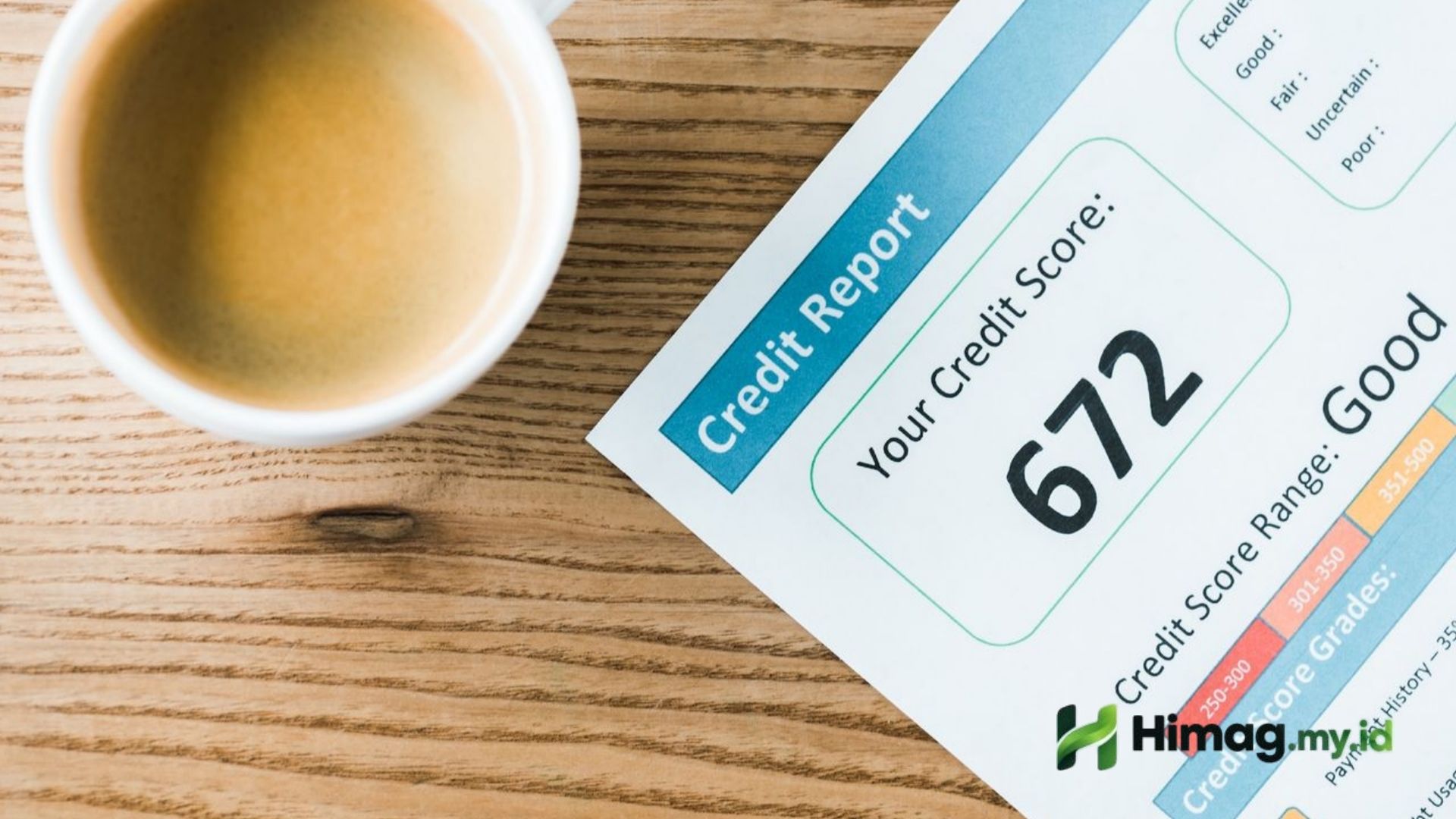
King.Himag – A credit score is one of those financial terms that many people hear about but do not always understand.
You may know that having a good credit score can be helpful when applying for certain financial products, but what actually determines the number? Does checking your credit score hurt it? How often does it change? And what can you do if your score is lower than expected?
Understanding these questions can make managing credit much easier.
This credit score guide explains the basics in simple terms, including what a credit score is, what can influence it, and how responsible financial habits can help you maintain a healthy credit profile.
What Is a Credit Score?
A credit score is a numerical representation generated from information in your credit history.
Financial institutions and lenders may use credit scores as one factor when evaluating applications for credit products.
The score is generally calculated using information from a credit report. Depending on the country and scoring system, that information may include payment history, account balances, credit history, and recent applications.
There is not necessarily one universal credit score for every person.
Different credit reporting agencies and scoring models can produce different scores from similar information.
Why Does a Credit Score Matter?
A credit score can be one of several factors lenders consider when deciding whether to approve a credit application.
Depending on the financial product and lender, credit information may be considered when applying for:
- Credit cards
- Personal loans
- Auto financing
- Mortgages
- Other forms of credit
A credit score does not guarantee approval.
Lenders can also consider income, employment, existing financial obligations, loan terms, and their own lending policies.
For this reason, it is better to think of your credit score as one part of your overall financial profile rather than a complete measurement of your financial health.
How Does a Credit Score Work?
Credit scoring models analyze information in your credit history and use it to calculate a score.
The exact formula depends on the scoring model.
Some models may place significant emphasis on payment history, while others also consider factors such as credit utilization, account age, types of credit, and recent credit activity.
Because different models can work differently, improving one aspect of your credit profile does not necessarily produce the same score change for everyone.
This is also why there is no single trick that can guarantee a specific credit score.
Understanding Credit Score Ranges
Credit scores are often divided into ranges that help lenders and consumers interpret the number.
However, the ranges depend on the scoring model and country.
For example, one scoring system may use a scale from 300 to 850, while another system may use a completely different range.
If you see a credit score online, check which scoring model produced it before comparing it with information from another source.
Comparing two scores from different models can be misleading.
What Factors Can Affect a Credit Score?
While scoring systems differ, several types of credit information are commonly relevant.
Payment History
Payment history refers to how consistently you have made payments on your credit accounts.
Late or missed payments can negatively affect your credit profile, particularly when they are reported to credit bureaus.
This is one reason why keeping track of payment due dates is so important.
Setting up reminders or automatic payments can help reduce the risk of accidentally missing a payment.
Credit Utilization
Credit utilization generally refers to how much of your available revolving credit you are currently using.
For example, imagine you have a credit card with a $5,000 limit and a $1,500 balance.
Your utilization would be 30%.
Some credit scoring models consider this type of information when calculating scores.
However, there is no universal utilization percentage that guarantees a particular score because scoring models differ.
Keeping credit card balances manageable is still a useful financial habit because it can also help prevent debt from becoming difficult to repay.
Length of Credit History
The amount of time your credit accounts have existed can be relevant to some scoring models.
A longer history can provide more information about your borrowing and payment behavior.
This does not mean you should keep every account open indefinitely.
Some accounts may have fees or other conditions that need to be considered before deciding whether keeping them open makes financial sense.
Types of Credit
Your credit profile may contain different types of accounts.
Depending on the scoring model, having experience managing different types of credit may be considered when calculating a score.
However, you generally should not open accounts simply to create a particular mix of credit.
Taking on unnecessary debt can create more financial risk than benefit.
Recent Credit Applications
Applying for new credit can result in a credit inquiry.
Depending on the type of inquiry and scoring model, recent credit applications may affect your credit score.
This does not mean you should avoid applying for credit when you genuinely need it.
Instead, research your options before applying and avoid submitting unnecessary applications.
Credit Report vs. Credit Score
Credit reports and credit scores are closely related, but they are not the same thing.
A credit report contains information about your credit accounts and payment activity.
A credit score is a number calculated using information from a credit report.
Think of the credit report as the underlying information and the score as a numerical summary generated from that information.
Different scoring models may interpret the same credit report differently.
How Often Does a Credit Score Change?
Your credit score can change when new information is reported to the credit reporting agencies.
For example, changes may occur after:
- A payment is reported
- A credit card balance changes
- A new account is opened
- An account is closed
- A lender reports updated information
- A negative event is added or removed
Because lenders may report information at different times, your score can change even if you have not personally done anything unusual.
Checking your score at different times may therefore produce different results.
Does Checking Your Own Credit Score Hurt It?
Checking your own credit information is generally different from applying for new credit.
A personal check is often treated as a soft inquiry and does not have the same effect as a hard inquiry associated with certain credit applications.
However, the rules can vary depending on the country and reporting system.
If you are concerned about a particular credit check, review how the provider classifies the inquiry before proceeding.
How to Improve a Credit Score
There is no guaranteed shortcut for improving a credit score.
Instead, focus on the underlying financial behaviors that are commonly considered by scoring systems.
Pay on Time
Make your required payments by their due dates.
Keep Balances Manageable
Avoid relying heavily on revolving credit if you cannot comfortably repay it.
Limit Unnecessary Applications
Only apply for new credit when it serves a genuine financial purpose.
Review Your Credit Reports
Check for inaccurate or unfamiliar information.
Maintain Responsible Accounts
Consistent, responsible use of credit over time can help establish a stronger credit history.
Improving credit is usually a gradual process rather than something that happens overnight.
What If Your Credit Score Is Low?
A low credit score does not necessarily mean your financial situation cannot improve.
Start by understanding why the score may be low.
Review your credit report and look for issues such as missed payments, high balances, or inaccurate information.
If you have outstanding debt, focus on creating a repayment plan that fits your income and essential expenses.
Avoid taking on additional debt simply because you want to increase your credit history.
If your financial situation is complicated, consider speaking with a qualified financial counselor who can review your circumstances and available options.
How to Monitor Your Credit
Regular monitoring can help you understand changes in your credit profile.
Depending on where you live, you may be able to access credit reports or scores through credit reporting agencies, financial institutions, or other authorized services.
When reviewing your credit information, check for:
- Accounts you recognize
- Correct payment information
- Accurate balances
- Recent inquiries
- Correct personal details
- Unfamiliar accounts
If something appears inaccurate, contact the relevant credit reporting agency or lender and follow its dispute process.
Common Credit Score Myths
Credit scores are surrounded by many misconceptions.
Myth 1: You Need to Carry a Balance to Build Credit
You generally do not need to carry unnecessary credit card debt just to establish credit.
Paying interest does not automatically make your credit score better.
Myth 2: Having a High Credit Limit Means You Should Spend More
A credit limit is not the same as an affordable spending limit.
Your personal budget should determine how much you can comfortably spend.
Myth 3: Closing a Credit Card Always Improves Your Credit
Closing an account can have different consequences depending on your credit profile and the scoring model.
Consider fees, account history, balances, and your overall financial situation before closing an account.
Myth 4: There Is Only One Credit Score
Different scoring models and credit reporting agencies can produce different scores.
The score provided by one service may not be identical to the score a lender uses.
Myth 5: A Perfect Score Is Necessary for Every Financial Decision
Lenders have different requirements, and credit scores are only one part of many lending decisions.
Rather than focusing exclusively on achieving a particular number, focus on responsible credit management and overall financial stability.
Credit Score Tips for Beginners
If you are new to credit, keep your approach simple.
Start by understanding the terms of any credit account before opening it.
Once you have an account, keep track of your payment dates and balances.
Try to avoid borrowing more than you can afford to repay.
Review your credit information periodically and investigate anything that looks incorrect.
Most importantly, give yourself time.
Building a credit history is usually a long-term process.
A Simple Credit Score Checklist
Use this checklist as a quick reminder:
- Know your payment due dates
- Pay required bills on time
- Keep revolving balances manageable
- Avoid unnecessary credit applications
- Review your credit reports
- Check for inaccurate information
- Understand the terms of your credit accounts
- Avoid borrowing beyond your budget
- Monitor your progress over time
These habits are simple, but consistency is often more important than complicated strategies.
How Credit Fits Into Your Overall Financial Plan
A credit score is only one part of personal finance.
A high score does not automatically mean you have a strong financial position if you have excessive debt, little savings, or expenses that consistently exceed your income.
Likewise, someone with a limited credit history may still have healthy financial habits.
For this reason, credit management should be considered alongside other areas of personal finance, including budgeting, saving, debt management, and emergency planning.
The goal is not simply to chase a number.
The goal is to build financial habits that support your long-term goals.
Final Thoughts
Understanding your credit score can make financial decisions less confusing.
Start by learning how credit reports and scoring models work, then focus on the habits you can control.
Pay your bills on time, keep balances manageable, avoid unnecessary applications, monitor your credit information, and give your credit history time to develop.
Remember that credit scoring systems vary, so there is no single formula or strategy that works exactly the same way for everyone.
Instead of obsessing over a particular number, focus on responsible credit use and a broader financial plan that fits your circumstances.
Good credit management is a long-term process. Small, consistent habits can help you build a credit profile while keeping your borrowing under control.